
JUMP TO A SECTION
Two estimates for the same house can show different totals. Before deciding what the gap means, read what each bidder actually proposes and record any unanswered questions. Ask the bidder to explain a difference in writing rather than assuming that a lower total leaves work out or that a higher total includes it.
01 / THE SHORT ANSWERQuestions to ask about each estimate
Use the line items to identify the work being proposed and the questions that still need answers. A grand total without a clear scope is a reason to request more information, not a basis for guessing what the crew will do. When a material count needs checking, use the field-shingle calculator with the roof-area line and matching package coverage; accessories remain separate lines.
Use these headings to collect what this bidder proposes. Write down the actual answer, an express exclusion or an unresolved question. The list does not prescribe one method for every roof or certify that an offer is complete.
Readable wording helps you ask specific questions. Record what the proposal says about flashing, barrier coverage and possible decking work, then ask the bidder to clarify what remains open. Our published pricing page is a budget reference; it does not verify a particular bid or the contractor behind it.
The sections below help you record the proposed work, the method for pricing unknowns and the written terms. If you hold several bids, the companion guide on comparing roofing quotes apples to apples helps put their actual answers alongside one another.
02 / THE ANATOMYThe replacement bid, line by line
The headings below give you questions about proposed work from removal through cleanup. Ask what this bidder proposes for each stage and which tasks or decisions remain open. Do not infer the project duration from the order of lines on the estimate.
Tear-off and disposal
Ask whether the proposal removes the existing covering or uses another approach, which layers it assumes and what disposal work is included. Ask how a different condition would be assessed, authorized and priced. The hidden-cost questions provide further items to discuss; the description alone does not establish suitability or a future charge.
Decking inspection and repair
Ask what the bidder has assessed about the deck and what remains unknown. Record the proposed repair method, the price basis and who would authorize additional work. If the offer uses a per-sheet allowance, ask which materials, quantities and work that number covers. If it uses another method, record that method instead. An absent line is a question to resolve, not evidence of deck condition or contractor intent.
Underlayment
Ask for the complete underlayment product name and the proposed area of use. If two offers name different materials, request the corresponding manufacturer documents and an explanation of the proposed application. A word such as synthetic or premium does not by itself verify the work, suitability or the bidder.
Ice and water barrier
Ask which barrier product and coverage the bidder proposes, including the eaves, valleys and other relevant details. Request an explanation of the requirements being applied to your property and confirm applicable local requirements with the building department. Keep any unresolved scope question with the proposal. This checklist is not a code-compliance determination.
The shingles themselves
Ask for the complete manufacturer and product name rather than only architectural shingles. Keep the proposed color and any choice still to be made beside the written price basis. Product identification also gives you a specific document to request: ask the warranty issuer which records and conditions apply to the offered warranty. Do not assume that an unidentified product decides eligibility or a future claim. For a bid naming Landmark, the Landmark document checklist helps resolve an incomplete product line before you file the estimate.
Flashing, boots, and accessories
Ask which flashing, pipe boots, drip-edge and other detail work is proposed for replacement, reuse or another treatment, and why. Keep the named products and locations with the written scope. Neither new shingles nor a completed flashing row independently verifies the detail or predicts a leak. The roof repair page is a route for discussing a specific concern.
Ventilation
Ask what ventilation assessment is included, which work is proposed and what existing components would remain. If the offer does not address ventilation, request clarification instead of assuming that it has or has not been assessed. Record the answer and any product or design documents the bidder relies on.
Permit, cleanup, and warranty
Ask the local building department which permit and inspection requirements apply to the proposed project. Record who handles each responsibility and which fees the offer includes. Ask what debris removal, nail cleanup and property protection are proposed. Keep any offered manufacturer warranty and contractor promise as separate documents; the headings do not establish coverage or compliance.
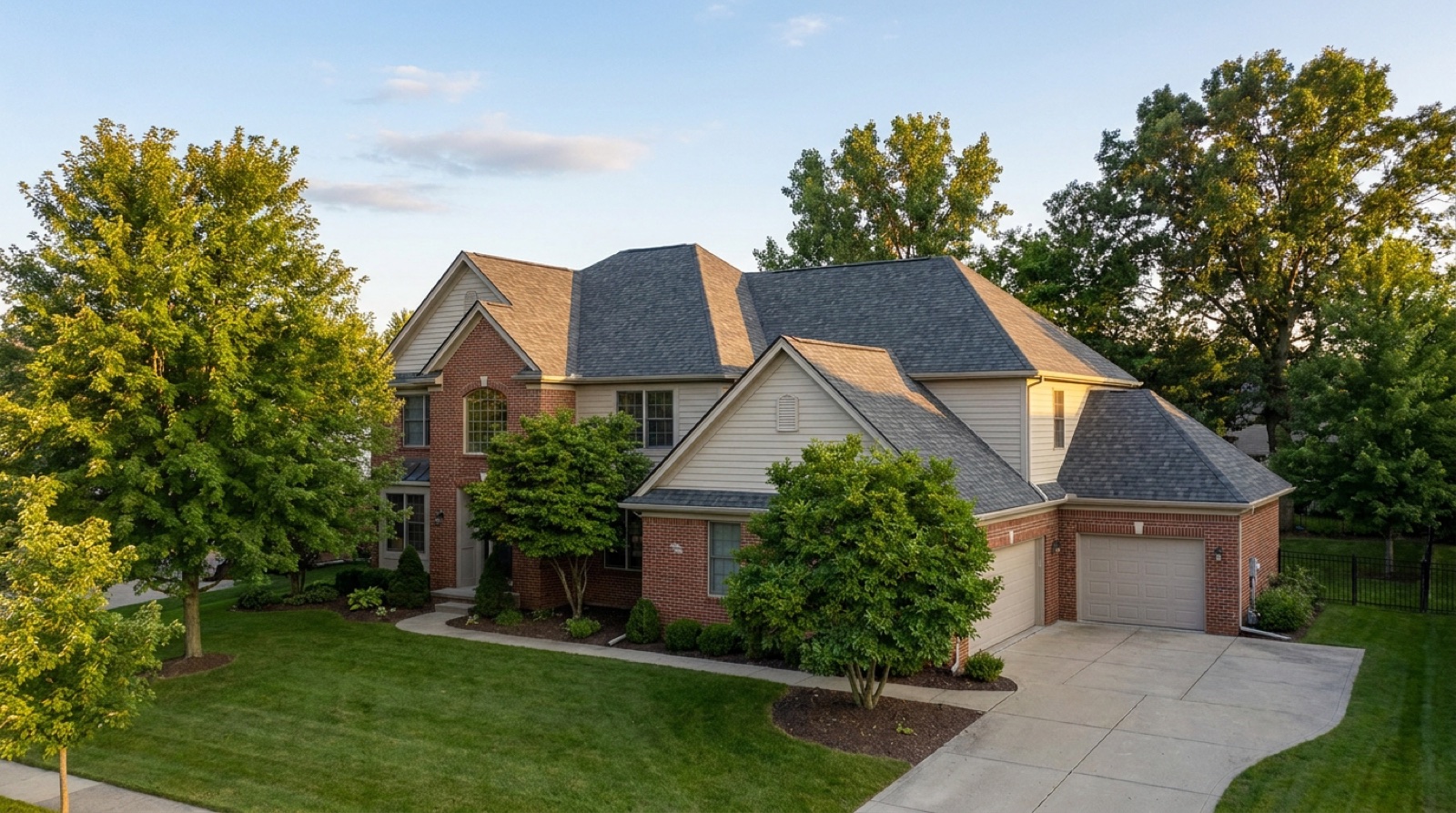
03 / THE UNKNOWNSAllowances vs fixed prices, and the decking question
Separate the stated total from work whose quantity or condition has not yet been established. Ask which assumptions the total uses, which amounts are fixed and what method would apply if conditions differ. Do not assume that a heading, unit price or allowance settles the complete terms.
An offer may describe an allowance, a unit rate or another way to price work that is not yet determined. Ask the bidder to explain the actual arrangement: what it covers, how quantity is established, who approves the work and how the final charge is calculated. A number on a sheet does not by itself verify those conditions or guarantee protection against later disagreement.
If the estimate does not name a decking allowance, ask how possible decking work would be assessed, authorized and priced. Keep the agreed method with the written offer. A blank line does not establish a future charge or tell you why this total differs from another bid.
Use the same questions for other work that may depend on conditions found later. Ask the bidder to identify the assumption, assessment, authorization process and price basis. If a unit rate is offered, record what it includes; if another method is used, record that explanation. Missing wording does not reveal the contractor's motive or establish the eventual charge.
Write down how an open item would be assessed, authorized and priced. An allowance is information to clarify, not proof of honesty or of a complete offer.
04 / THE FINE PRINTThe terms that turn a number into a commitment
Read the proposed warranty, permit responsibilities, timing and payment terms alongside the scope. Ask for an explanation or revised wording where an item is unclear. The position or detail of a sentence does not establish contractor quality or why it was written that way.
Warranty issuers and documents
Ask which manufacturer warranty, if any, is offered for the named product and which separate workmanship promise the contractor is making. Obtain the actual documents, identify each issuer and ask which work, conditions and remedies each describes. Ask the applicable issuer about eligibility or a future claim. A contractor's location or response to a call does not determine a separate manufacturer warranty's value or outcome.
Payment schedule and what triggers it
Ask for the proposed deposit, payment schedule and the event or work each payment refers to. Keep the written terms and any clarification with the offer. Ask the bidder about wording you do not understand before making a decision; the amount or timing of a payment alone does not establish the complete arrangement.
Insurance, licensing, and the storm exception
Verify contractor identity and any licensing or insurance information through the appropriate records. If insurance may be involved, keep the contractor's proposal separate from the insurer's coverage and payment decisions, and ask each party about its own document. The storm and insurance claims guide is a further reading route, not a determination of your claim.
05 / THE CHECKLISTQuestions to settle before comparing
Use the checklist to record the written answers and the questions that remain open. If an item is unclear, ask for an explanation or revised wording before deciding what the offer means. Filled headings help organize the comparison; they do not independently verify the work or the contractor.
- What removal work is proposed, and how many existing layers does the offer assume?
- How would decking work be assessed, authorized and priced?
- Which underlayment and barrier products are proposed, and where would they be used?
- What is the complete shingle name, and which flashing, boots and drip-edge work is proposed for replacement or reuse?
- Who handles ventilation, permit responsibilities and cleanup, and which warranty documents are being offered?
Keep written answers and unanswered questions beside the actual proposal. They help you discuss the offer; they do not verify the contractor, the work or the reason for the total. The cost calculator and instant estimator provide published budget references from entered information. Our inspection is free; ask what the visit and any written estimate include. The guides library offers further questions to prepare before comparing proposals.
Questions we hear most
Use the headings to ask about removal and disposal, decking, underlayment and barrier products, the complete shingle name, flashing, ventilation, permit responsibilities, cleanup and warranty documents. Record what is proposed for your property. If wording is absent, ask whether the item is included, excluded or handled elsewhere; a completed checklist does not by itself establish a complete or equivalent offer.
A price gap does not tell you which work is included or why the totals differ. Compare the named products, proposed work, exclusions and allowances in the actual estimates. Ask each bidder to explain a difference in writing, and keep an absent or unclear line marked unresolved until it is answered.
When an offer uses an allowance, ask what work it addresses, which unit price or other basis applies, and how any additional work would be assessed and authorized. Keep those answers with the proposal. If no decking allowance is shown, ask whether the offer uses another method rather than assuming what a blank line means.
Ask your local building department which permit and inspection requirements apply to the proposed work at your property. Then ask the bidder to state who handles those responsibilities and which fees are included. Keep the answers with the written offer. This checklist does not decide local compliance or transfer liability.
- FEMA, disaster declaration DR-4757-MI, Michigan severe storms of August 2023 (Macomb County designated). fema.gov/disaster/4757
- Michigan LARA code-books directory. Ask the local building department which roofing requirements and code provisions apply to the proposed work at your property. Michigan LARA: code books
- Local building-department questions: ask which permit, inspection and fee requirements apply to the proposed work at your address. Macomb County government
- Manufacturer technical and warranty literature for the major asphalt shingle lines: GAF (gaf.com), Owens Corning (owenscorning.com), and CertainTeed (certainteed.com).