
JUMP TO A SECTION
Most roof claims are decided by an adjuster with a camera and a tape measure. A smaller number get a second visitor: a licensed professional engineer, retained by the insurance carrier, sent to answer a question the adjuster's inspection could not settle. Did wind crease these shingles, or did the seal strips let go from age? Is that mark a hail bruise or a blister? Did the storm damage the deck, or was the deck already failing? If your carrier has told you an engineer is coming, or an engineering report has just appeared in your claim file, it means your claim has a genuine dispute inside it, and the stakes are usually the whole roof. A typical Macomb County asphalt replacement runs $9,000 to $18,000, and most homes land $12,000 to $16,000, so the causation call the engineer is being asked to make is a five-figure call. This guide explains why carriers retain engineering firms, what the site visit looks like, how the report may be used, and the legitimate options a homeowner has once it arrives. Two things are true at the same time and this page holds both: engineers are legitimate professionals doing real forensic work, and their conclusions, like anyone's, can be requested, read, questioned, and answered with other evidence. Nothing here is legal or insurance advice, and no contractor can promise a claim outcome. The full claim sequence lives on our storm and insurance claims page.
01 / THE WHYWhy a carrier retains an engineering firm
Adjusters document damage; engineers opine on cause. Most claims never need the second step, because the cause is obvious: shingles in the yard the morning after a wind event tell their own story. Carriers commonly bring in an engineer when the file holds a disputed or expensive question. The classic triggers are wind versus wear, where the carrier questions whether creased or unsealed shingles were storm-damaged or simply old; hail causation, where the argument is whether marks are hail bruises or blisters, foot traffic, and normal granule loss; structural questions, such as sagging framing or a deck issue the storm may or may not explain; and repeat or reopened claims, where a prior loss muddies which event caused what.
It helps to be clear-eyed about the arrangement. The engineer is a licensed professional with an independent duty of honesty, and their firm is retained and paid by the carrier as part of the carrier's investigation. Both halves of that sentence are true. An engineer inspection is not automatically bad news; engineering reports can and sometimes do confirm storm damage the adjuster was unsure about. But the report enters the file as the carrier's expert evidence, and homeowners should read it that way: one qualified opinion, obtained by one side of the question, not a court ruling.
An engineer inspection means the carrier wants an expert causation opinion on a disputed, usually expensive question in your claim, and the report that results is evidence you are entitled to see and, if the facts support it, to answer.
02 / THE VISITWhat the engineer inspection involves
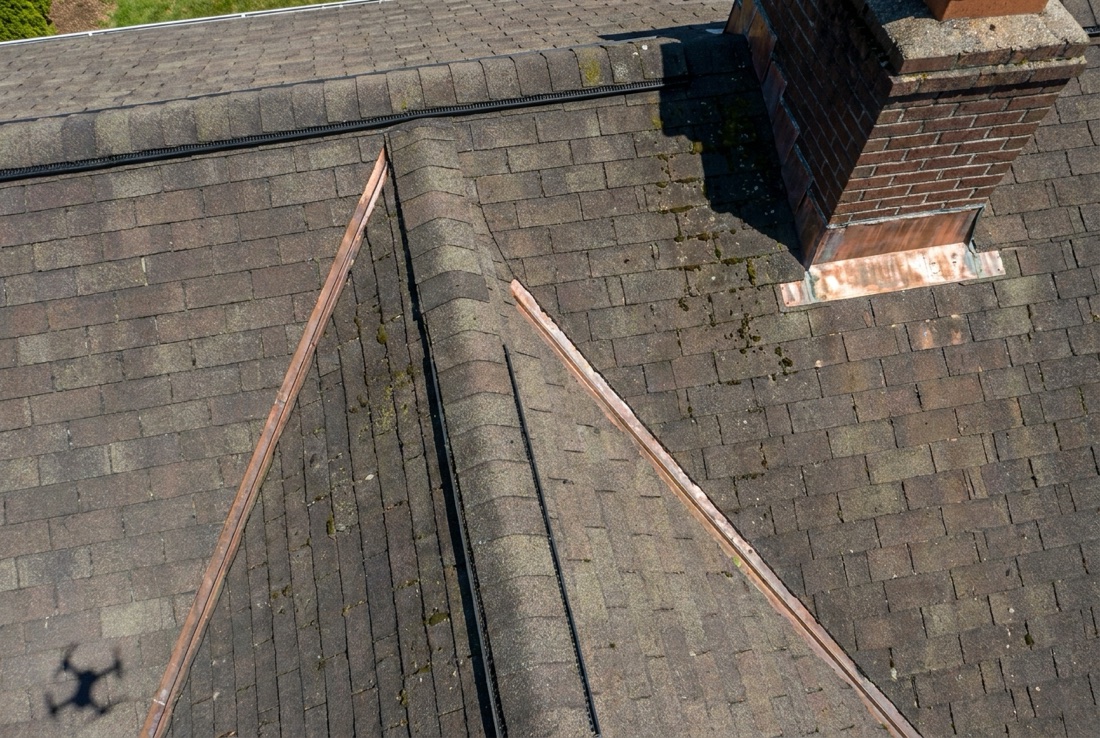
The visit itself looks like a slower, more forensic version of the adjuster inspection our guide to the adjuster visit walks through. The engineer typically photographs each elevation and slope, examines shingle condition up close, looks at seal strips, creases, punctures, and granule loss patterns, and distinguishes directional storm signatures from uniform aging. Expect attention to the attic and the structure too: engineers often want to see the underside of the deck, the framing, and any interior damage, because structural questions are frequently why they were called. Many will document conditions that adjusters skip, such as fastener patterns, prior repairs, and installation details, since workmanship and age are alternative explanations they are being asked to rule in or out.
Practical preparation is the same discipline that serves you everywhere else in the claim. Be home if you can. Provide access to the attic and every affected room. Hand over, or offer to email, your dated photos from the storm, your contractor's inspection report, and any repair receipts, and keep your originals. Take your own photos of where the engineer went and what they examined, including any test areas they mark. Answer questions about dates and observed facts plainly, and skip theories about cause; cause is the engineer's assignment, and speculation from the homeowner helps no one. You can also arrange for your roofing contractor to be present, which we cover in section 06.
One reassurance about scale: after a large regional event, engineering referrals are a normal part of carrier operations, not a personal accusation. Macomb County saw claim volume at that scale after the August 2023 storms that placed the county inside federal disaster declaration DR-4757. Disputed files from events like that routinely carry an engineering report, on roofs that were ultimately covered as well as roofs that were not.
03 / THE PAPERThe report, and how carriers may use it
Weeks after the visit, the engineering firm delivers a signed report to the carrier. A typical one states the assignment it was given, describes the site visit and observations, walks the reasoning, and ends with causation conclusions: this damage is consistent with wind on these slopes, this pattern is consistent with age-related seal failure, this deflection predates the storm, and so on. Good reports show their work with annotated photos and cite what they relied on, including weather data for the loss date.
The carrier then uses the report as expert support for its coverage decision. When the report attributes damage to a covered peril, claims often move toward payment. When it attributes the conditions to wear, age, installation defects, or an excluded cause, the report may become the stated basis for a partial or full denial, and the denial letter will typically cite it. That second path is why this page exists. An engineer-backed denial letter reads as if the question is closed. It is not. The report is evidence, often strong evidence, but policyholders retain every review path they had before it was written, and reports have been answered successfully with better documentation, corrected facts, and competing expert opinions. What a homeowner should not do is nothing, if the facts genuinely do not match what the report says.
04 / YOUR COPYGet the report, then read it like a reviewer
First move: request the report itself, in writing, through your adjuster or the claim portal, and keep the request in your file. If the denial letter relies on an engineering report, ask for the complete document with its photo appendix, not a summary. Carriers commonly provide it on request; if yours resists, note the refusal in writing, because the record of asking matters later in appraisal or a regulator complaint.
Then read it slowly, twice, with your own photo file open beside it. You are reading for four things. Scope: which slopes, rooms, and details did the engineer actually examine, and does the report opine on areas it never describes visiting? Facts: are the roof age, layer count, repair history, and loss date stated correctly, and do the report's photos match your roof on the claimed date? Reasoning: does the report explain why it attributes each condition to wear or a prior cause, or does it assert conclusions without showing the work? Assignment: what question was the firm actually asked, since a narrow assignment can produce a technically accurate report that never addressed the damage your claim is about. Simple factual errors, a wrong install year, a missed slope, photos from the wrong elevation, are the easiest and most legitimate grounds for asking the carrier to take a second look, and our guide to requesting a claim reinspection shows how to package exactly that.
An engineering report is one expert's answer to one assigned question. Reading it carefully is not disrespect. It is exactly what the engineer's own profession would do with it.
05 / THE OPTIONSYour options after an engineer-backed decision
If the report supports coverage, the path forward is ordinary claim mechanics and a careful read of the estimate. If it supports a denial or a sharp reduction, a homeowner generally has a ladder of options, ordered roughly by cost and escalation. None of them is guaranteed to change the outcome, and every one of them works better with documentation than with frustration.
- Ask for the file and a reinspection. Factual errors and undocumented slopes are reinspection material. A written request that attaches your contractor's report, dated photos, and the specific discrepancies may prompt the carrier to send someone back out.
- Commission your own expert review. Homeowners can retain an independent engineer or qualified inspector to examine the same roof and, where the facts support it, produce a competing report. A dispute between qualified experts reads very differently inside a claim file than a homeowner's objection alone.
- Invoke the appraisal clause. Many homeowners policies include an appraisal provision for disputes about the amount of loss, where each side appoints an appraiser and an umpire resolves differences. Whether it fits an engineer-backed causation denial depends on your policy language, and our appraisal clause guide walks through where it applies and where it does not.
- Complain to the regulator. Michigan homeowners can file a complaint with the Department of Insurance and Financial Services, which requires the carrier to respond on the record. It is free, and the process is covered in our guide to denied roof claims in Michigan.
- Talk to a licensed public adjuster or an attorney. Larger disputed claims may justify professional representation on the policyholder side. Contractors are not that; coverage advocacy belongs to licensed public adjusters and attorneys.
Policies commonly carry deadlines for invoking appraisal or filing suit, and those clocks generally do not pause while you study an engineering report. If you intend to contest an engineer-backed denial, get your policy's deadlines in front of you early, and get qualified advice before any of them get close. Meanwhile, keep mitigating: if the roof is actively leaking, our emergency tarping line answers 24/7, and documented temporary protection helps rather than hurts the file.
06 / OUR LANEWhere your roofing contractor fits, honestly
A roofing contractor is not an engineer and should never pretend to be one, so here is what we actually contribute when a claim reaches this stage. Before the engineer visit, we can inspect and document the roof ourselves, with slope-by-slope photos and a written report, so the file already holds a detailed factual record from someone who has been on the surface. During the visit, we can be present the same way we can meet your adjuster on site: pointing out documented conditions, providing measurements, answering installation and repair-method questions, and staying entirely out of the coverage conversation. Afterward, we can compare the report's factual claims about the roof, its age, its layers, its repair history, against what our inspection recorded, which is often where discrepancies surface.
What we cannot do is argue coverage, interpret your policy, or promise that any of this changes the decision. Those boundaries are not modesty; they are the line between a contractor and a licensed claim representative, and a roofer who blurs it is a red flag. What we can promise is honest documentation and real numbers. If any part of the roof is being paid out of pocket, the published ranges on our pricing page and the 60-second cost calculator show what the work honestly costs here, with repairs running $350 to $3,200 and larger or complex work running higher. And if you want the roof documented before or after anyone else's inspection, the free inspection costs nothing and obligates you to nothing. More claim guides live in our guides library.
- A carrier-retained engineer means your claim holds a disputed causation question, usually wind versus wear or hail, and usually with a five-figure roof at stake.
- Engineers are legitimate forensic professionals, and their report is the carrier's expert evidence: one qualified opinion, not a verdict.
- Request the complete report in writing and read it for scope, factual accuracy, reasoning, and the exact question the firm was assigned.
- After an engineer-backed denial, the ladder runs reinspection, independent expert review, the appraisal clause, a DIFS complaint, and licensed representation.
- Policy deadlines for appraisal and suit generally keep running while you review the report, so check them early.
- Your contractor's lane is documentation: inspection reports, photos, measurements, and presence at inspections, never coverage advocacy or outcome promises.
Questions we hear most
Carriers commonly retain an engineering firm when a claim holds a disputed causation question the adjuster could not settle, most often whether shingle damage came from wind or hail versus age and wear, or whether a structural condition predates the storm. It signals a dispute in the file, not a decision. Engineering reports sometimes confirm storm damage and support payment, and sometimes become the basis for a denial.
Generally yes, and you should ask. Request the complete report, including its photo appendix, in writing through your adjuster or claim portal, especially if a denial letter cites it. Carriers commonly provide it on request. If yours refuses, keep the refusal in writing, because your record of asking matters in appraisal or a regulator complaint later.
The report is expert evidence, not a final ruling. Homeowners can point out factual errors and request a reinspection, retain an independent engineer for a competing opinion, invoke the policy's appraisal clause where it applies, file a complaint with Michigan DIFS, or bring in a licensed public adjuster or attorney on larger disputes. None of those steps guarantees a different outcome, and policy deadlines keep running while you decide.
- FEMA, disaster declaration DR-4757-MI, Michigan severe storms of August 2023 (Macomb County designated). fema.gov/disaster/4757
- Michigan Department of Licensing and Regulatory Affairs (LARA), residential builder licensing and the public Verify a License lookup. michigan.gov/lara
- Michigan Department of Insurance and Financial Services (DIFS), consumer insurance resources and complaint process. michigan.gov/difs
- Insurance Information Institute, consumer explainers on homeowners policy coverage, deductibles, and the claims process. iii.org