
JUMP TO A SECTION
A proposal may say three-tab, architectural, dimensional, designer or luxury without naming the exact product. This guide separates the construction and appearance questions from the documents needed to compare actual offers. Use the labels to locate a product, then record its complete name, proposed work and matching documents. A category is not a test result, a warranty or a recommendation for a particular property.
01 / THE SHORT ANSWERThree tiers, one material, different builds
Three-tab, architectural and designer are labels you may encounter while considering asphalt shingles. They do not establish the price or other work in a proposal. Identify the complete product and compare what each written total actually includes, excludes or leaves open. Use the construction descriptions below to ask better questions, then obtain product-specific wind and warranty information rather than ranking the labels.
is our published asphalt replacement budget range, with $12,000 to $16,000 as the published most-homes band. These are references, not a priced offer for every tier or property. Use the instant estimator or published pricing sheet to start budget questions, then obtain a proposal for the actual product and work.
02 / THE MATERIALWhat each tier is actually built from
Start by identifying the construction and category described on the proposal. Those descriptions do not by themselves settle price, warranty terms or suitability for a particular roof. Once a proposal moves from a category to a named CertainTeed product, the Landmark name-matching guide helps you find the corresponding documents without ranking the tiers.
3-tab: a single flat layer
Three-tab is the familiar strip-shingle pattern identified by its cutouts. ARMA describes three-tab as the most common strip-shingle type. Compare the actual sample and manufacturer description instead of using the pattern to infer wind performance, coverage or suitability.
Architectural or dimensional: laminated construction
ARMA describes laminated shingles as having more than one layer of tabs for thickness and visual depth, and also calls them architectural. That construction description does not establish a universal performance rank. Request the exact product sheet and sample. The architectural shingles guide is a further reading route for questions about this label.
Designer or luxury: identify the marketed product
If a bid uses designer, luxury or premium, ask which manufacturer and product it means. Compare the manufacturer's construction description and a sample of the offered profile. Do not assign the highest wind class, longest warranty or best value from the label. The designer and luxury guide is another route for preparing questions.
Ask the bidder to name the proposed hip-and-ridge cap, starter and other accessories separately from the field shingle. Request the documents relied on for that combination. Neither a category label nor the total identifies those components or their performance.
03 / SIDE BY SIDECompare labels, products and documents separately
Use the table to separate what a label helps describe from what still needs product-specific evidence. Keep the complete offered product and proposed work beside each price. Do not assume that other materials, methods or costs stay constant when the shingle changes.
| LABEL | BUILD OR LOOK TO CHECK | PRODUCT TO RECORD | WIND QUESTION | WARRANTY QUESTION |
|---|---|---|---|---|
| Three-tab | Strip-shingle cutout pattern | Full manufacturer and strip-shingle line | Which classification, test and conditions are declared for this product? | Which offered document and issuer apply? |
| Architectural / dimensional | Laminated visual depth | Full named laminated product | What product-specific evidence supports the proposed use? | What work, conditions and remedies does the offer state? |
| Designer / luxury | Manufacturer-described profile and sample | Full marketed product name | What is the actual classification, without a tier ranking? | What are the actual terms, without assuming longest coverage? |
Put the product's declared wind classification and test reference in one column, and the offered wind-warranty document in another. Ask the manufacturer or bidder to explain the conditions relevant to the proposed product and work. A sample, layer count or category does not answer those questions. This guide assigns no comparative wind class.
Ask which warranty document is actually offered, who issues it and which product or work it addresses. Keep any contractor workmanship promise separately. Ask the applicable issuer about conditions, restrictions, remedies and records. Neither weight, layer count nor the word lifetime decides eligibility, proration or a claim outcome.
04 / THE ACTUAL OFFERFrom a category label to a written proposal
Start a column for each actual offer and record the complete shingle name. Then record removal work, underlayment, barrier products, flashing, ventilation and any other scope the bidder describes. Ask what differs, why it is proposed and which price basis applies. A shingle change does not establish identical underlying work or cost.
If wind, weather exposure or expected service life matters to your decision, explain the concern to the bidder and ask for the specific evidence and assessment being used. Ask what remains to be verified for the property. A general category comparison cannot predict this roof's service life or replace the appropriate project assessment.
A shingle category does not tell you everything else in the proposal. Compare the named products and proposed work, and ask about any difference in scope or price basis.
If the proposal moves to a different roofing system, list that change separately rather than treating it as another shingle tier. The material-selection guide helps organize product, project and document questions across systems.
Use samples to compare the profile and appearance you prefer. Ask how the offered product would look on the relevant slopes and keep that preference separate from performance, price and warranty questions. Appearance alone does not establish those other terms or a resale result.
05 / THE FITWhich tier actually fits your roof
Use your plans for the property to explain what matters to you. Ask the bidder to connect its proposed product and work to those plans, and identify the supporting documents and any unresolved assessment. Ownership horizon alone does not select a shingle.
A rental property or short-hold outbuilding
For a rental, garage, shed or property you may sell soon, state your budget and timing. Ask which actual products and work are proposed, and compare the written terms. Do not treat a short ownership plan as proof that one category is suitable, least expensive or best value.
A forever home
If you expect to keep the house for many years, explain that goal and ask about the exact product, proposed work, maintenance information and offered documents. Do not convert a heavier tier or a warranty headline into a promised service life or cost per year.
A high-visibility roofline or a lakefront colonial
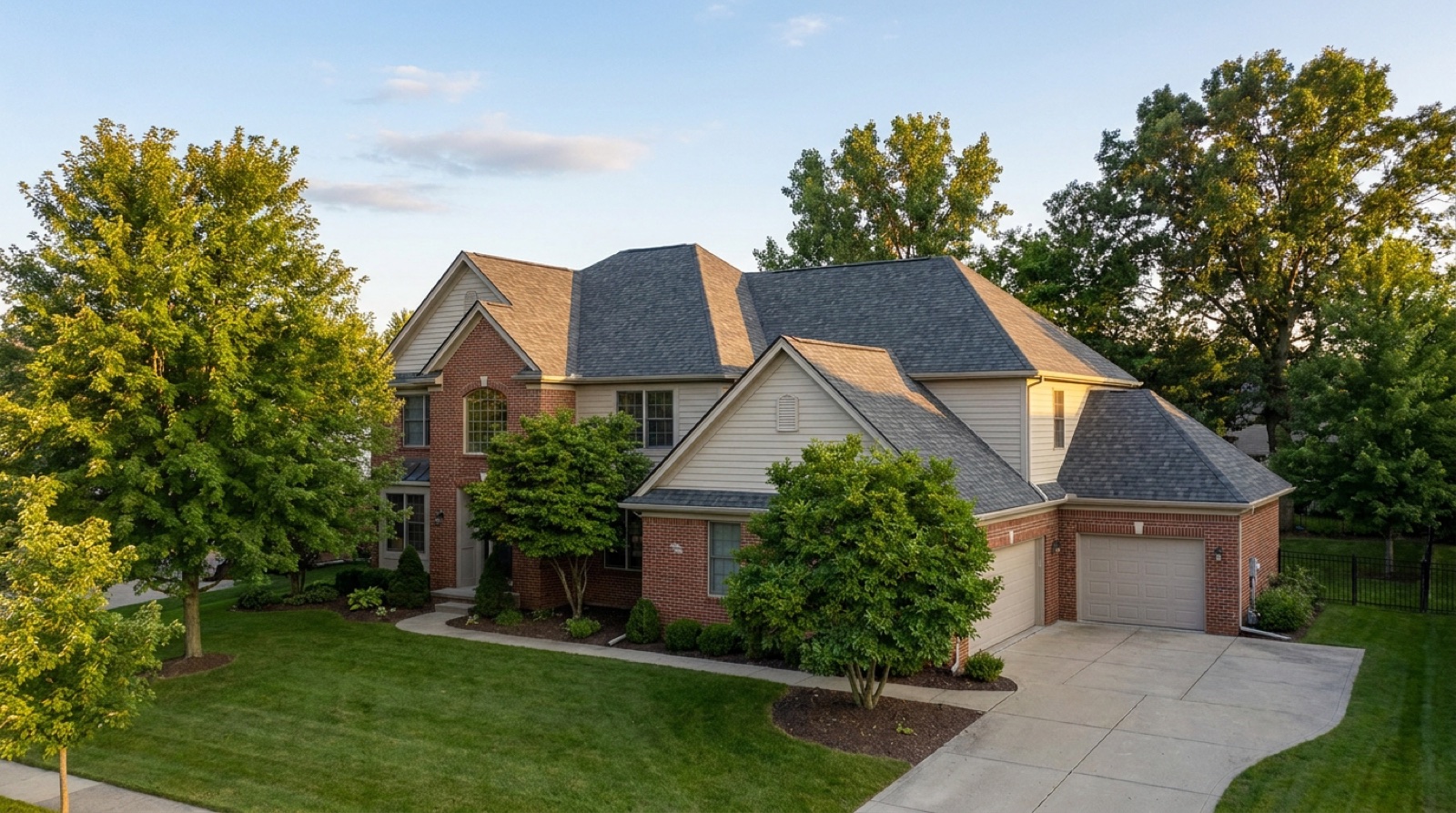
For a roofline where appearance matters to you, compare actual samples and ask which profile is proposed for each area. Keep the appearance preference beside the written price and other project questions. A premium label or a visible roof does not by itself establish the value of an upgrade.
Ask how the proposed work would be assessed and carried out for this property. Product selection and installation questions need their own evidence; a tier label is not proof of either. This guide does not rank the lifespan of hypothetical installations.
Matching an existing roof after storm or partial damage
For a repair or partial replacement, ask the bidder to identify the existing product if possible and explain the proposed match. Compare a sample and ask what difference in profile or color would remain. Do not assume that a tier label guarantees a visual match or establishes which full-replacement product is appropriate.
06 / THE REAL NUMBERGetting your actual number, whichever tier you choose
Use these questions when requesting a proposal for your roof. Our inspection is $0 with no obligation; ask what the visit and written estimate include. Keep the named product, proposed work, price basis and open questions together. The visit or a completed checklist does not by itself determine a manufacturer warranty or guarantee a result.
For initial budget questions, the instant estimator is a starting route. The cost calculator uses the selected service and material and, for replacement estimates, approximate home-size bands and fixed site factors. It does not measure your roof or replace a project quote. When comparing bids, record the complete proposed products and the work each offer includes or excludes. Keep absent wording marked unresolved and ask for clarification. A shared tier does not make two scopes identical, and a lower total does not establish that a task is missing. You can browse the full guides library or start from our roof replacement service page anytime. When proposals name different manufacturers, the three-brand bid comparison keeps each named product beside the work that bidder proposes.
Ask the bidder about current availability and the proposed start and completion timing for your actual project. Explain any target date and ask which product, assessment, weather or other dependencies remain open. Record the answer with the proposal. Choosing a shingle tier or making an earlier inquiry does not establish an available installation slot.
- Record the full offered product and actual work; the published asphalt ranges are budget references, not a quote for every tier.
- Strip-shingle cutouts and laminated visual depth describe construction or appearance, not a universal wind or warranty ranking.
- Request product-specific classifications and test references rather than inferring performance from a category or sample.
- Ask which manufacturer document and contractor promise are actually offered, and keep each with its own issuer and conditions.
- Use your budget, appearance preferences and plans for the property to ask about actual offers; they do not select a product automatically.
- Our inspection is $0 with no obligation. Ask what the visit and any written proposal include.
Questions we hear most
Start with the complete manufacturer and product name on each proposal. Use the category and a sample to discuss construction and appearance, then request the exact performance and warranty documents. A three-tab, architectural or designer label does not establish wind class, coverage, installed price or suitability for your roof.
Ask each bidder to identify the actual three-tab or architectural product and the work included in that offer. A tier name alone does not establish the installed price difference, and the other work should not be assumed identical. Keep any open scope or price-basis questions beside the two written totals.
Compare the actual designer product, sample, proposed work and written price with the alternative offer. Ask which differences matter to your goals and what documents support the proposal. A premium profile or label does not establish better wind performance, longer coverage or the value of the upgrade.
- Manufacturer technical and warranty literature for the major asphalt shingle lines: GAF (gaf.com), Owens Corning (owenscorning.com), and CertainTeed (certainteed.com).
- ASTM D3161 and ASTM D7158, standard test methods and classifications for wind resistance of asphalt shingles.
- Michigan Residential Code, 2015 edition, adopted with Michigan amendments by the LARA Bureau of Construction Codes, in effect since February 8, 2016. michigan.gov/lara: code books
- Asphalt Roofing Manufacturers Association, strip and laminated shingle construction descriptions. ARMA: types of asphalt roofing