
JUMP TO A SECTION
Here is the moment that produces most supplement questions. The adjuster's estimate arrived weeks ago, the claim was approved, the crew is on the roof, and the tear-off just exposed three sheets of rotted decking that nobody could have seen from above the shingles. The original estimate did not include decking replacement, because the original inspection could not see it. The work still has to happen, and the code still requires it to be done right. A supplement is how that cost gets back in front of the carrier: a documented, itemized request to add scope or pricing the first estimate missed. It is not a complaint, not an appeal, and not a renegotiation of the whole claim. It is a normal part of how roof claims are designed to work, because no estimate written from a ladder before tear-off can see everything a full asphalt replacement, which runs $9,000 to $18,000 in Macomb County, actually involves. This guide walks the whole mechanism: where missing costs come from, how the paperwork moves, where it slows down, and who does the work of pushing it through, with the standing caveat that every carrier handles supplements its own way and no contractor can promise what one pays.
01 / THE SHORT ANSWERWhat a roof claim supplement actually is
An insurance estimate is a snapshot of the loss as the adjuster understood it on inspection day, priced line by line in estimating software. A supplement is a follow-up submission that says, with evidence, that the snapshot was incomplete: a scope item is missing, a quantity is short, or a required cost was not priced. The carrier reviews the submission, may ask questions or send someone back out, and then typically issues a revised estimate and additional payment for whatever it agrees belongs in the claim. Nothing about the process reopens the coverage decision itself; the claim was already accepted. The supplement is about making the paid scope match the real scope of the repair.
Supplements are routine in roofing precisely because roofs hide their condition. The adjuster sees the top of the shingles. The tear-off crew sees the decking, the flashing seats, and everything the last roofer buried. Code requirements add another layer, because a policy with ordinance and law coverage may owe for upgrades the old roof never had, and those items are commonly absent from a first estimate. If you want to understand the document the supplement is amending, our guide on how to read an adjuster's estimate walks it line by line, and our Xactimate explainer covers the software most carriers price it in. A supplement is also one of four channels a scope disagreement can travel down. All four are mapped in whether an insurer can force a repair rather than a replacement, so you can tell before writing anything whether yours is a supplement, a reinspection, an appraisal, or a coverage argument that belongs somewhere else entirely.
A supplement is a documented request to add missed scope or cost to an approved claim, backed by photos and itemized pricing, and reviewed by the carrier before any revised payment issues. Common, normal, and usually the difference between the estimate paying for the roof you have and the roof the adjuster could see.
02 / THE GAPSWhere the missing costs come from
Understanding why supplements exist starts with why first estimates miss. There are three broad categories, and most real supplements draw from more than one of them.
What tear-off reveals
The most common trigger is hidden damage exposed once the shingles come off. Rotted or delaminated decking is the classic example: it cannot be confirmed until the crew is standing on it, and it cannot be shingled over, because manufacturers require a sound nailing surface and Michigan code requires the deck to hold fasteners. Rusted-through flashing, crushed or improperly cut ventilation, and prior repairs done badly all live in the same category. None of it appears in the original estimate because none of it was visible on inspection day, and all of it becomes documented fact the morning of the build.
Code items the estimate never priced
Building code adds items that the old roof may not have had: ice and water barrier at the eaves, drip edge, proper underlayment, ventilation brought up to current requirements. Whether the carrier owes for those upgrades typically depends on the ordinance and law provisions of the policy, which our ordinance and law coverage guide covers in depth. When the coverage exists, code items are one of the most frequent and most defensible supplement categories, because the requirement comes from the municipality rather than from anyone's preference.
Line items simply left out
The third category is the plainest: scope that should have been in the first estimate and was not. Steep or high charges on a two-story colonial, tear-off of a second shingle layer, replacing valley metal, detaching and resetting satellite dishes or gutters, permit fees, dumpster and disposal costs. Estimating software prices whatever lines the estimator enters, and a hurried inspection produces short line lists. We wrote a full companion piece on the line items most often missing from roof claims, and it pairs naturally with this one: that guide is the checklist, this one is the process for getting the missing lines paid.
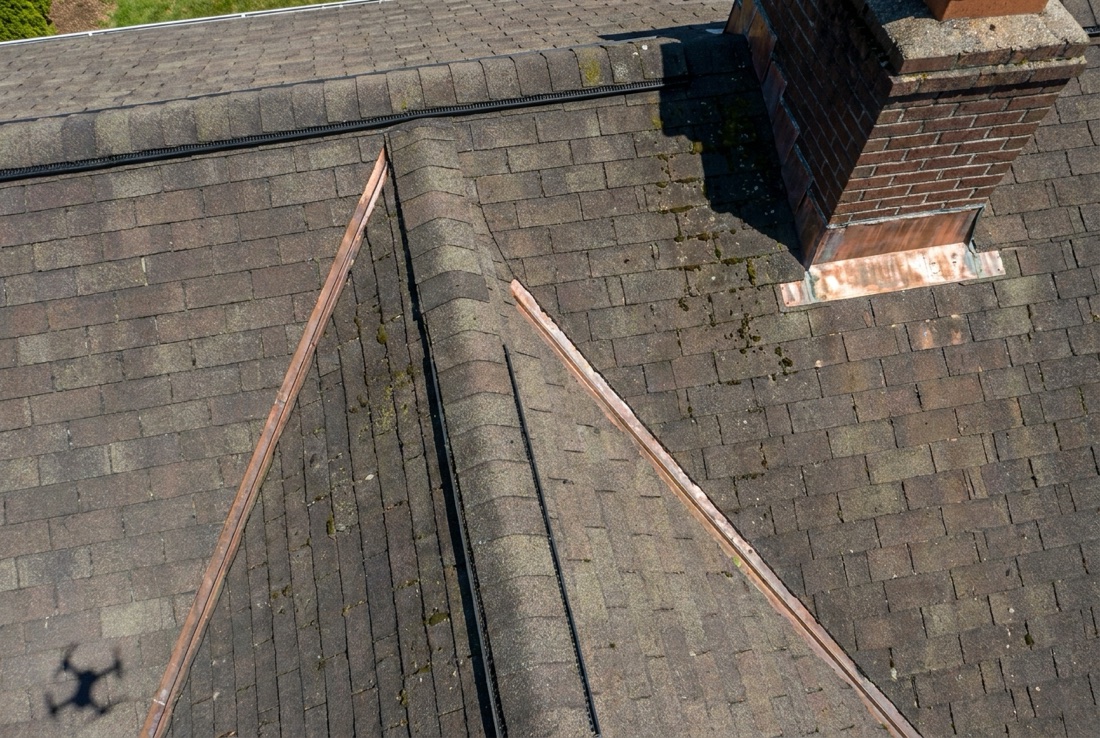
03 / THE PAPER TRAILThe paperwork flow, step by step
A supplement lives or dies on its file. Carriers process thousands of them, and the ones that move quickly share the same anatomy: clear photos, an itemized price for each added line, and a short factual narrative connecting the two. Here is the flow as it typically runs on a roof claim.
- Discovery and documentation. The condition is found, usually during tear-off, and photographed immediately while it is exposed: wide shots that locate it on the roof, close shots that show the condition, and a tape measure or chalk marks where quantity matters.
- Itemized pricing. Each added item is written as a line the reviewer can evaluate: the task, the quantity, the unit price, usually in the same estimating format the carrier's own estimate used, so the two documents compare cleanly.
- The written submission. Photos, line items, and a brief narrative go to the carrier, referencing the claim number and the specific pages of the original estimate the supplement amends. Code items cite the code section or the municipal requirement.
- Carrier review. A desk reviewer evaluates the file, may ask for more photos or clarification, and may send an adjuster back out for significant items. This step can take days or weeks depending on the carrier and the season.
- The revised estimate. If the carrier agrees, in whole or in part, it issues a revised estimate and supplemental payment reflecting the approved additions. Anything declined comes back with a reason, which can be answered with more documentation if the facts support it.
Notice what is not in the flow: drama. A well-built supplement is an accounting exercise, not an argument. The carrier's reviewer needs to be able to look at a photo of rotted decking, see the measured quantity, see a market price per sheet, and approve the line without leaving the desk. Every element that forces a follow-up question adds days. That is why the documentation habit matters more than any negotiation skill, and why the contractor who photographs everything during the build tends to get supplements resolved while the contractor who calls the carrier with a verbal number tends to get voicemail.
04 / THE FRICTIONWhere supplements slow down or shrink
Most supplements resolve, but few resolve instantly, and it helps to know the common sticking points before you are living inside one. These are the friction points we see most often, with the usual ways through them.
- Timing and queue depth. After a widespread storm, supplement queues stretch. A file that might clear in days during a quiet month can sit for weeks in a busy one. Nothing fixes this except a complete file that never bounces back for more information.
- Photo quality. The single most common reason a supplement stalls is photos that do not prove the point: too close to locate, too far to show condition, or taken after the new material already covered the evidence. Once decking is re-covered, the window to document it is gone.
- Pricing disputes. The carrier may agree the item belongs but disagree on the price, because estimating databases lag local market costs. These usually settle on documentation: supplier invoices and the line-item breakdown often carry the day.
- Partial approvals. Carriers can approve some lines and decline others in the same submission. A declined line is not necessarily final; it can be resubmitted with better evidence, a code citation, or a photo the first file lacked.
- Scope versus coverage confusion. A supplement can only add scope to a covered loss. If the carrier's position is that an item is wear rather than storm damage, that is a coverage question, not a supplement question, and it runs through a different process.
The expensive mistake is paying a contractor's change order out of pocket and hoping to sort the insurance out later. Once the work is covered up and the invoice is paid, the evidence is weaker and the urgency is gone. Documentation happens during the build or it usually does not happen at all. If your roofer finds hidden damage, the photos should be taken before anyone asks you to sign anything.
One more hedge that belongs in every paragraph of this topic: carriers may approve, partially approve, or decline any supplement, and no contractor can promise the outcome. What a contractor can control is the quality of the file, and in our experience the file quality is most of the game.
05 / WHOSE JOB IT ISWho submits supplements, and how we document during a build
Technically the claim belongs to the policyholder, and a homeowner can submit a supplement directly. In practice, roofing supplements are almost always prepared by the contractor, because the contractor has the photos, the measurements, the pricing software, and the vocabulary the reviewer expects. Some contractors use third-party supplementing services; some carriers route everything through the original adjuster; on large or contested files a licensed public adjuster may get involved. Whoever prepares it, the homeowner stays in the loop, because payments and approvals flow through the policyholder, and nothing should be submitted on your claim that you have not seen.
A supplement is won at tear-off, not at the negotiation. If the condition was photographed while it was exposed, measured while it was open, and priced in writing that week, the carrier review is usually the easy part.
Our own process is built around that idea. Before the build we review the adjuster's estimate against our written scope, so known gaps, missing drip edge, short quantities, absent code items, are flagged and documented early rather than discovered on the invoice. We can meet your adjuster on site for that conversation. During tear-off the crew photographs anything the estimate did not anticipate while it is still exposed, with location shots and measurements, and the supplement file is built the same week. You see the same photos the carrier sees, and the pricing we submit is the same pricing we publish: our price ledger is on the homepage, and the 60-second cost calculator will put a range on your roof before anyone climbs it. The full claims process, from first documentation to final invoice, is laid out on our storm and insurance claims page, and if you are at the beginning of one, a free inspection through the estimator is the fastest way to get a documented baseline.
06 / THE LOCAL ANGLEWhy supplements come up so often in Macomb County
Two local facts make supplements more common here than the national average conversation suggests. The first is the housing stock. Macomb County skews toward postwar ranches and colonials, many on their second or third roof, and older decks hide more: plank decking with gaps, decades of accumulated fastener holes, prior layers installed over problems rather than through them. The odds that tear-off reveals something the ladder inspection could not see rise with every layer of history on the roof. The second is the weather record. The severe storms of August 2023 put Macomb County inside federal disaster declaration DR-4757, and high-volume storm seasons are exactly when adjuster inspections run fastest and first estimates run shortest. Fast estimates are not bad faith; they are triage. But triage estimates miss scope, and the supplement process is the designed correction.
The practical takeaway for a homeowner mid-claim is simple: do not judge the claim by the first estimate, and do not let anyone rush the roof onto the schedule before the estimate has been reviewed against a real written scope. The difference between an estimate that pays for most homes' replacement, which lands at $12,000 to $16,000 here, and one that quietly leaves thousands on your side of the table is often nothing more than whether someone with tear-off experience read the line items before the build. That review costs you nothing, the inspection that starts it is free, and the rest of our insurance library lives in the guides index.
- A supplement is a documented, itemized request to add scope or cost the original insurance estimate missed. It amends an approved claim; it does not reopen coverage.
- The three big sources of missing cost are tear-off discoveries like rotted decking, code-required items under ordinance and law coverage, and plain missed line items.
- The flow is documentation, itemized pricing, written submission, carrier review, revised estimate. Photo quality taken while the condition is exposed decides most outcomes.
- Carriers may approve, partially approve, or decline any supplement, and no contractor can promise a result. What a contractor controls is the completeness of the file.
- In practice the contractor prepares roofing supplements, and the homeowner should see everything submitted. Ours are built during the build, from the same photos you receive.
Questions we hear most
A supplement is a documented request to add scope or cost that the carrier's original estimate missed, such as decking replacement discovered at tear-off, code-required items, or line items left out of the first inspection. It includes photos, itemized pricing, and a short narrative, and the carrier reviews it before issuing any revised estimate or additional payment. Supplements are a routine part of roof claims, not a dispute.
The claim belongs to you, but in practice the contractor almost always prepares and submits roofing supplements, because the contractor has the tear-off photos, measurements, and line-item pricing the reviewer needs. You should see everything submitted on your claim, and approvals and payments still flow through you as the policyholder. On large or contested files, a licensed public adjuster may also be involved.
It varies with the carrier, the season, and the quality of the file. A clean, well-documented supplement can clear in days during a quiet period, while a busy storm season can stretch review to several weeks. Carriers may also approve some lines and decline others, and declined items can often be resubmitted with better documentation. No contractor can promise an approval or a timeline.
- FEMA, disaster declaration DR-4757-MI, Michigan severe storms of August 2023 (Macomb County designated). fema.gov/disaster/4757
- Michigan Department of Insurance and Financial Services (DIFS), consumer insurance resources and complaint process. michigan.gov/difs
- Michigan Residential Code 2015, section R905.1.2 Ice Barriers: membrane required from the eave edge to not less than 24 inches inside the exterior wall line. up.codes: MRC chapter 9
- Verisk (Xactware), Xactimate estimating platform: regional price lists and line-item structure used by carriers. verisk.com